
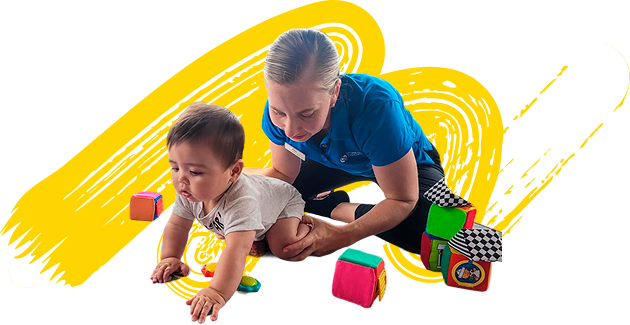
Mobile Paediatric Physiotherapy Services
Community Therapy provides mobile paediatric physiotherapy services with a dedicated and expert team of allied health professionals. We collaborate with individuals, local providers and coordinators of supports to provide comprehensive and evidence-based care to children from 0 – 18 years of age.
As accredited providers under the NDIS, we are certified by SAI Global.
Our paediatric physiotherapy services are mobile and available across Lake Macquarie, Newcastle, Maitland/Hunter, Port Stephens, and the Central Coast.



Why Paediatric Physio?

Improving gross motor development
Increasing mobility & coordination
Correcting lower limb alignment
Head shape protection and correction

Reducing pain and discomfort
Improving balance and posture

Building confident and self-esteem
Enhancing a child’s ability to participate in daily activities and play
Service Information

What Our Physiotherapists Do
Helping children move, play, and participate with strength and coordination.
We support with children with motor development milestones, posture, balance, mobility, rehabilitation needs and more.

Who We Work With
Supporting children to improve movement, physical independence, and confidence.
We support children with physical disabilities, developmental delays, neurological conditions, mobility challenges, muscle tone conditions, and post-injury recovery.
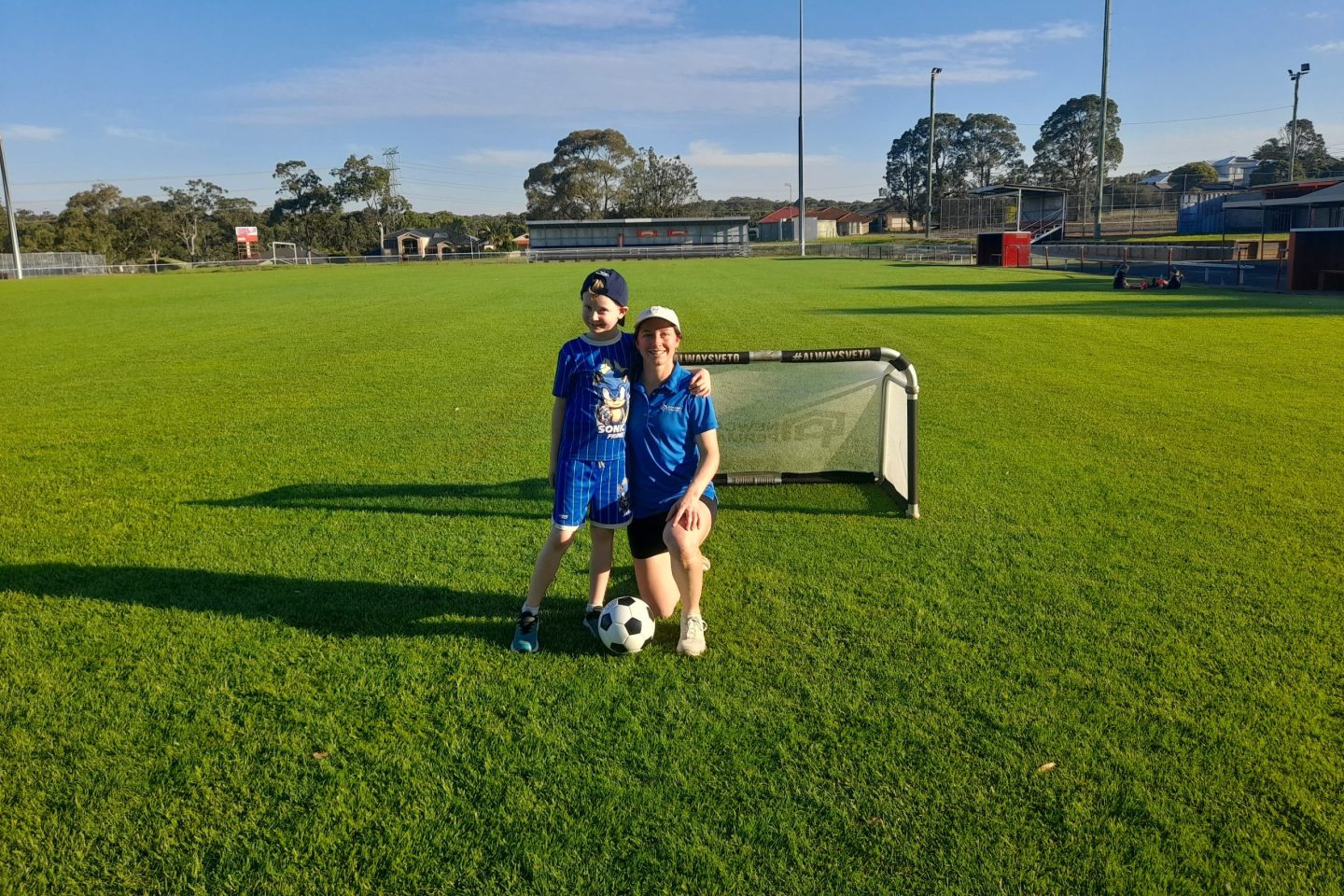
What does a Paediatric Physiotherapy Session Involve?
Helping children participate in the activities that matter most — play, school, and daily routines.
We support kids through play-based movement exercises, targeting strength and conditioning, balance challenges and more.

At What Age Can a Child Start Physiotherapy?
We work with children of all ages, from newborns and infants through to adolescents.
We provide mobile, evidence-based paediatric physiotherapy in familiar environments — including home, school, pre-school, daycare, or outdoor locations — to support physical development every step of the way.
Getting Started with Community Therapy
Community Therapy proudly offers the services of physiotherapists who are members of the Australian Physiotherapy Association.
Call us to find out more about our team of physiotherapists.
- We are mobile and come to you!
- We help people achieve their goals with the right supports and services
- We are locally owned and operated
To get started with Community Therapy, please get in touch! We welcome all enquiries!

https://youtube.com/watch?v=2zlLVcMiQLU
Paediatric Physiotherapy FAQs
-
What is paediatric physiotherapy?
Paediatric physiotherapy is a specialised field of physiotherapy that focuses on children’s movement development, assisting children to learn and engage with their environments from birth to young adulthood.
Paediatric Physiotherapists have specalised skills in assessment and treatment of children and understand typical child development. Paediatric Physiotherapists work with children and their families to achieve their goals and support them to thrive in their homes, schools and communities.
What conditions can be treated with paediatric physiotherapy?
Paediatric physiotherapists can help with a wide range of conditions, including:
- Babies who are late to reach motor milestones such as sitting, crawling and walking
- Children with difficulties with coordination, balance, running or tripping.
- Children with conditions which impact on their development such as Down Syndrome, Autism Spectrum Disorder, Brain Injury, Muscular Dystrophies or other congenital conditions.
- Musculoskeletal conditions such as positional talipes (turned in feet at birth) in-toeing (pigeon toes), bowed legs, knocked knees, flat feet, toe-walking and hypermobility.
- Head flattening (Plagiocephaly)/ torticollis
- Rehabilitation post injury, fracture or surgery
-
How is paediatric physiotherapy different from adult physiotherapy?
Children are not mini adults, their bodies are physiologically and anatomically different which needs careful consideration when assessing and treating.
Paediatric physiotherapy is specialised to address these unique needs of children.
It involves play-based activities, age-appropriate exercises, and family involvement to enhance the child’s participation and engagement in therapy to maximise their ability to participate in their community.
-
How long does a paediatric physiotherapy session last?
Session duration can vary depending on the child’s age, condition, and treatment goals. Sessions typically last between 30-60 minutes.
-
How often should a child attend paediatric physiotherapy?
The frequency of treatment will vary depending on your child’s individual needs.
Some children may only need to see a physiotherapist once or twice, while others may need ongoing therapy.
-
Do parents/caregivers participate in paediatric physiotherapy sessions?
Yes, parental involvement is critical, parents/caregivers are experts in their children and know them best.
Parents/caregivers may be taught exercises and activities to continue at home, and their participation is crucial for the child’s progress.
-
Can paediatric physiotherapy help with developmental delays?
Yes, paediatric physiotherapy is often a key component in addressing developmental delays.
Early intervention can have a positive impact on a child’s motor and cognitive development.
-
What happens if my child doesn't like going to physiotherapy?
Paediatric physiotherapists are skilled at working with children and making therapy fun and engaging.
They may use toys, games, and other activities to help your child participate in treatment.
Sessions are also tailored to your child’s interests and preferences.
-
How do we measure the effectiveness of Physiotherapy?
Our experienced and evidence-based team of clinicians know the importance of objective assessments to best guide, educate and support a child’s journey.
Firstly, thorough initial assessments establish baseline capabilities, ensuring that therapy goals are tailored to the child’s unique needs.
Progress is then regularly tracked through various quantitative and qualitative measures, and many of these same measures can be used as functional assessments to guide the direction and collaboration of the wider multi-disciplinary team.
This may include various screening tools, monitoring developmental milestones, assessing body alignment, and observing improvements in mobility, balance and coordination.
Equally important is the child and families feedback, providing valuable insights into their daily life and functional improvements.
This holistic approach ensures that therapy remains family-centered and adaptable, fostering a collaborative environment where each individual child and their milestones are celebrated, and treatment plans are continually refined to support each child’s growth and development.
