
Support at Home OT Services
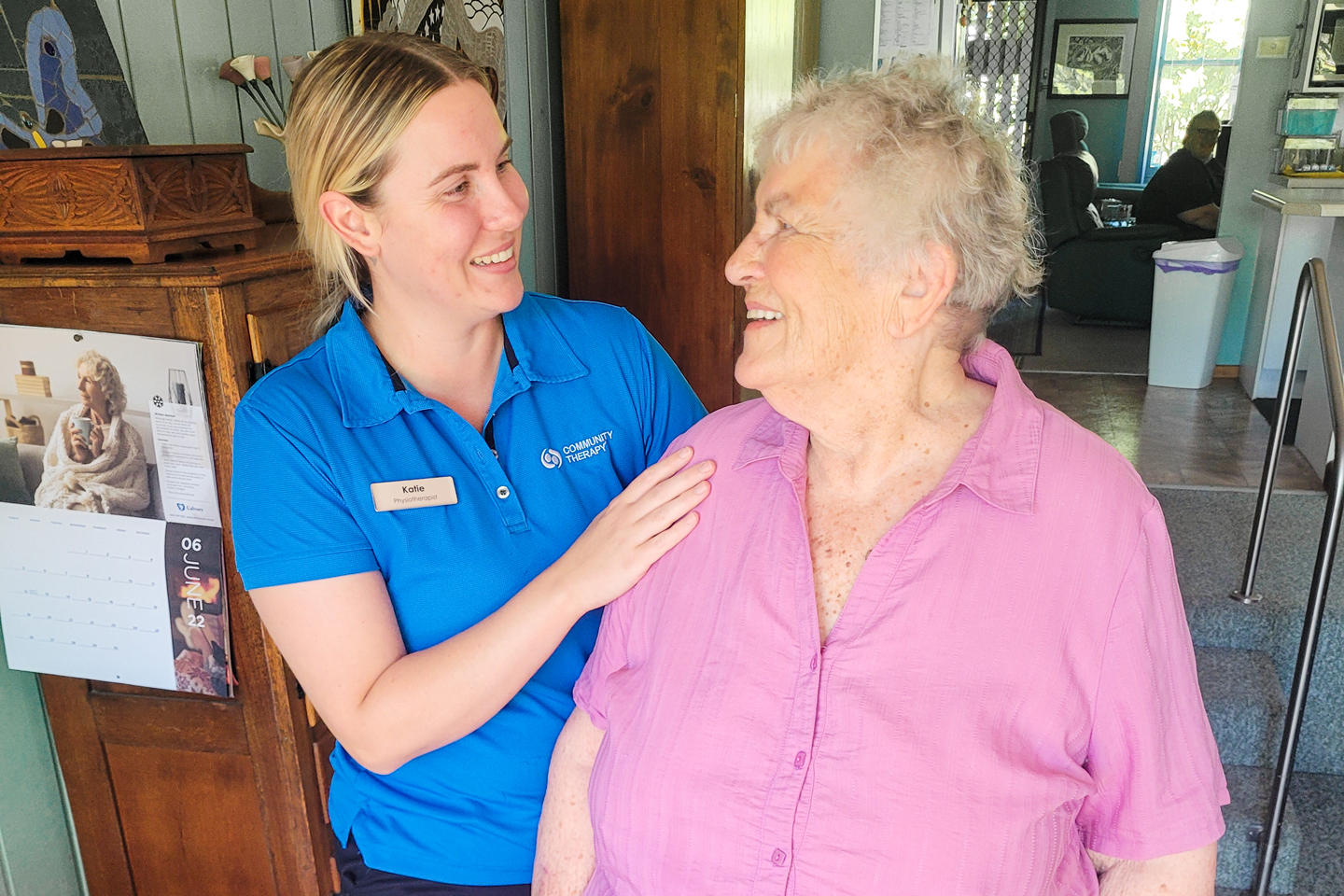
Our mobile Occupational Therapy services deliver evidence-based, client-focused care in the home setting for older adults with funding under the Support at Home program living in Newcastle, the Central Coast, the Hunter Valley, and Port Stephens regions.
Occupational Therapy is a health profession dedicated to enabling individuals to participate in meaningful daily activities. This includes personal care, mobility, home management, leisure pursuits, and social engagement.
Occupational Therapists analyse a person’s physical, cognitive, and environmental needs and design interventions that enhance performance and quality of life.


Expertise
Community Therapy specialises in supporting older adults and has done so since 2017.

Convenience
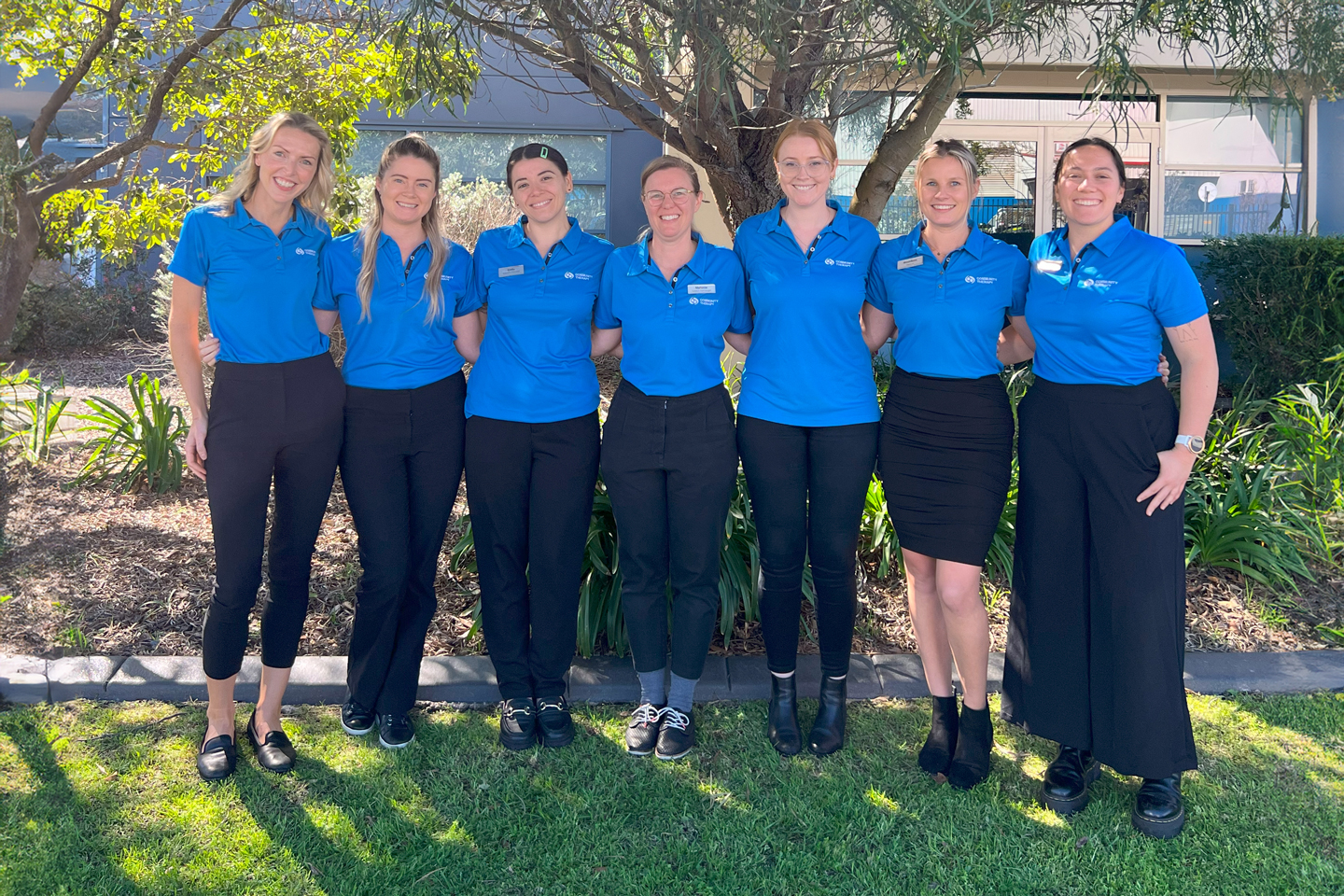
Community Therapy is a large local team of over 130 Allied Health professionals with coverage for home visits across all of the Central Coast and Hunter.

Care
Community Therapy is focused on person-centred and compassionate healthcare
Who is Eligible for Support at Home OT
Mobile Occupational Therapy is suitable for older adults and people with chronic health conditions, disability, or temporary illness who require support to live safely and independently at home. Under the Support at Home program, there are no contributions for clinical services such as Occupational Therapy.
At Community Therapy we support participants who have a registered provider administering their Support at Home package or are self managing.
You can access our Occupational Therapy services under Support at Home by asking your provider to refer to us or referring directly to us via our online referral form here.
Not sure what this means? Contact our friendly team via the phone and we can explain it further.
Occupational Therapy within the Support at Home Program
The Support at Home program, effective from 1 November 2025, replaced previous Home Care Packages and Short-Term Restorative Care programs.
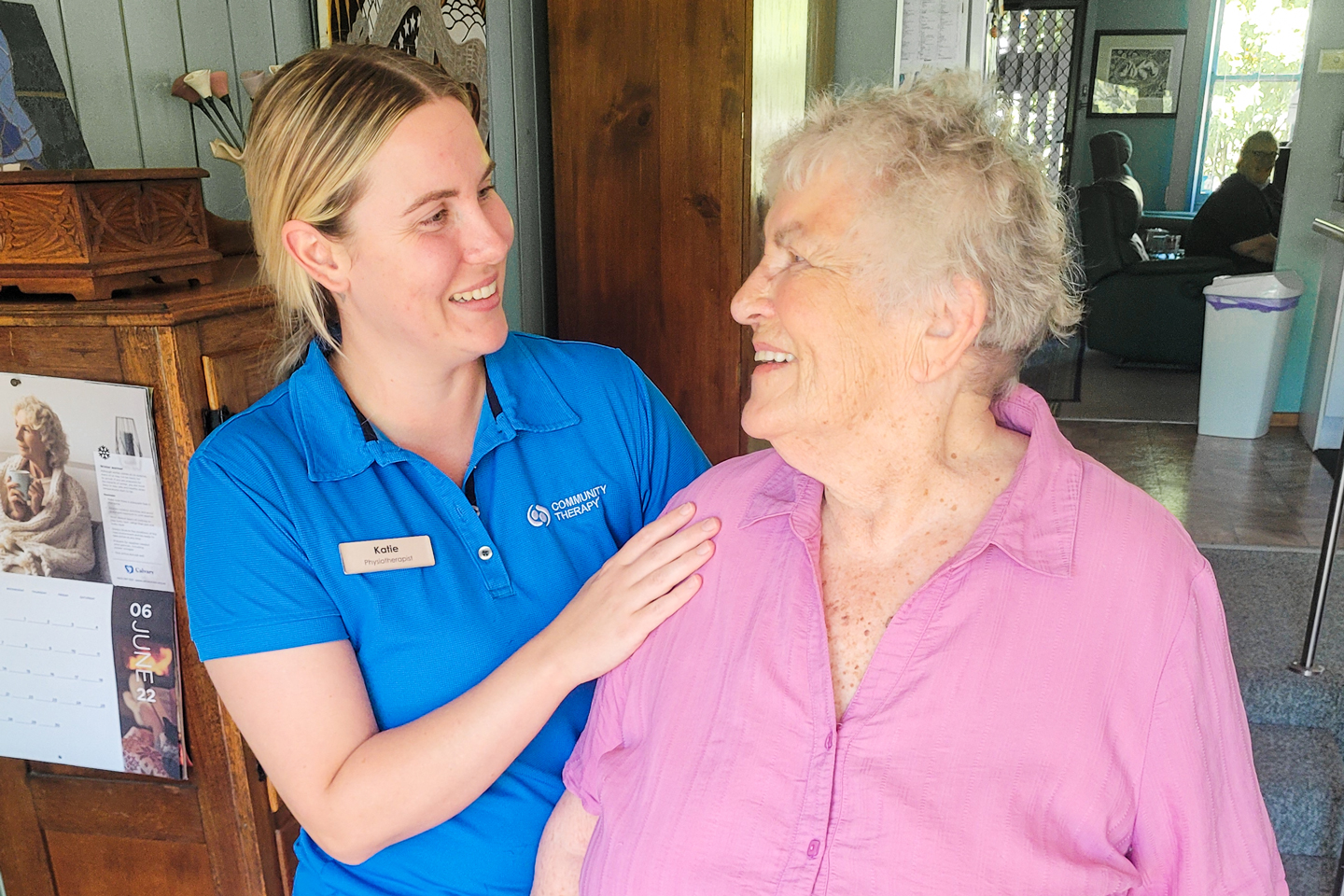
Our Occupational Therapists support participants to access appropriate assistive technology (equipment), home modifications and therapy.
Occupational Therapists in our team work in partnership with participants and their registered provider to:
- Assess functional ability and home safety;
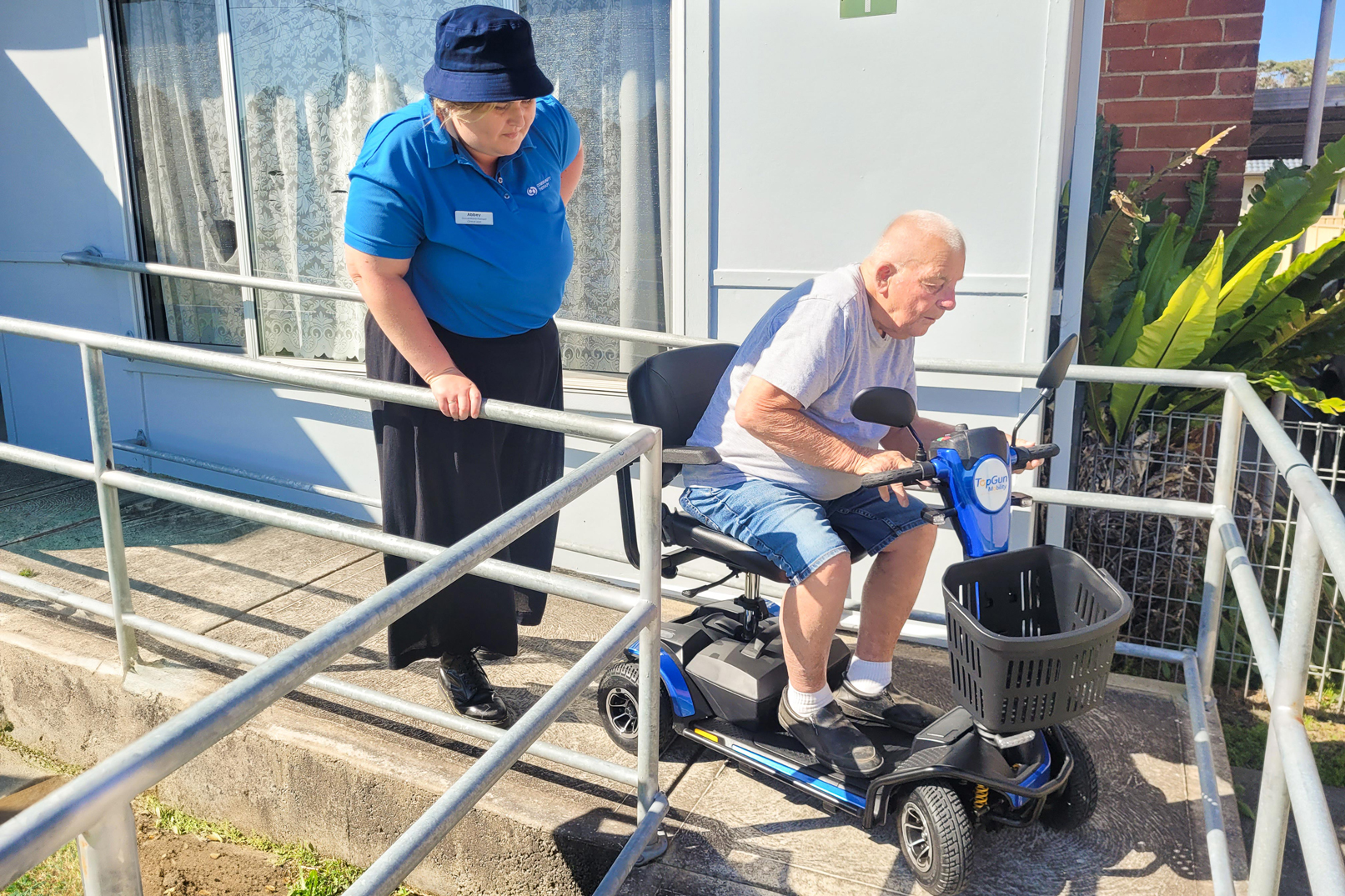
- Recommend equipment such as mobility aids, adaptive devices, and ergonomic solutions;
- Design home modifications to improve accessibility and reduce hazards;
- Provide education and training for daily tasks and carer support;
- Provide therapy to help improve independence with activities of daily living
How Support at Home OT Services Work
- Referral and Assessment: A participant begins their Support at Home journey with an aged care assessment via My Aged Care. Once a Support at Home package is allocated, they select a registered provider to administer their package or they can choose to self manage. Either way, they are able to refer to our services to access Occupational Therapy under their package.
- Home Visit and Evaluation: Our therapist conducts a detailed evaluation of functional capacity, home environment, and goals.
- Implementation and Review: Therapists support the participant with what is necessary to reach their goals such as prescribing assistive technology (equipment), home modifications and providing therapy.
Our services adhere to current best practice clinical guidelines, integrating research evidence, professional standards, and participant preferences. Clinical decisions are guided by best practice frameworks, ensuring interventions are safe, effective, and outcome-focused.

Holistic Care
Occupational Therapy addresses more than physical function.
It considers the person’s goals, environment, and lifestyle, ensuring that interventions are meaningful and practical. Evidence shows that timely Occupational Therapy input can reduce the risk of falls, prevent hospital admissions, and delay the need for residential care.
Therapists use a holistic approach, integrating knowledge of anatomy, cognition, mobility, and psychosocial factors. Interventions are tailored to each individual, promoting self-reliance, confidence, and participation in daily activities.
Outcomes from Our Service
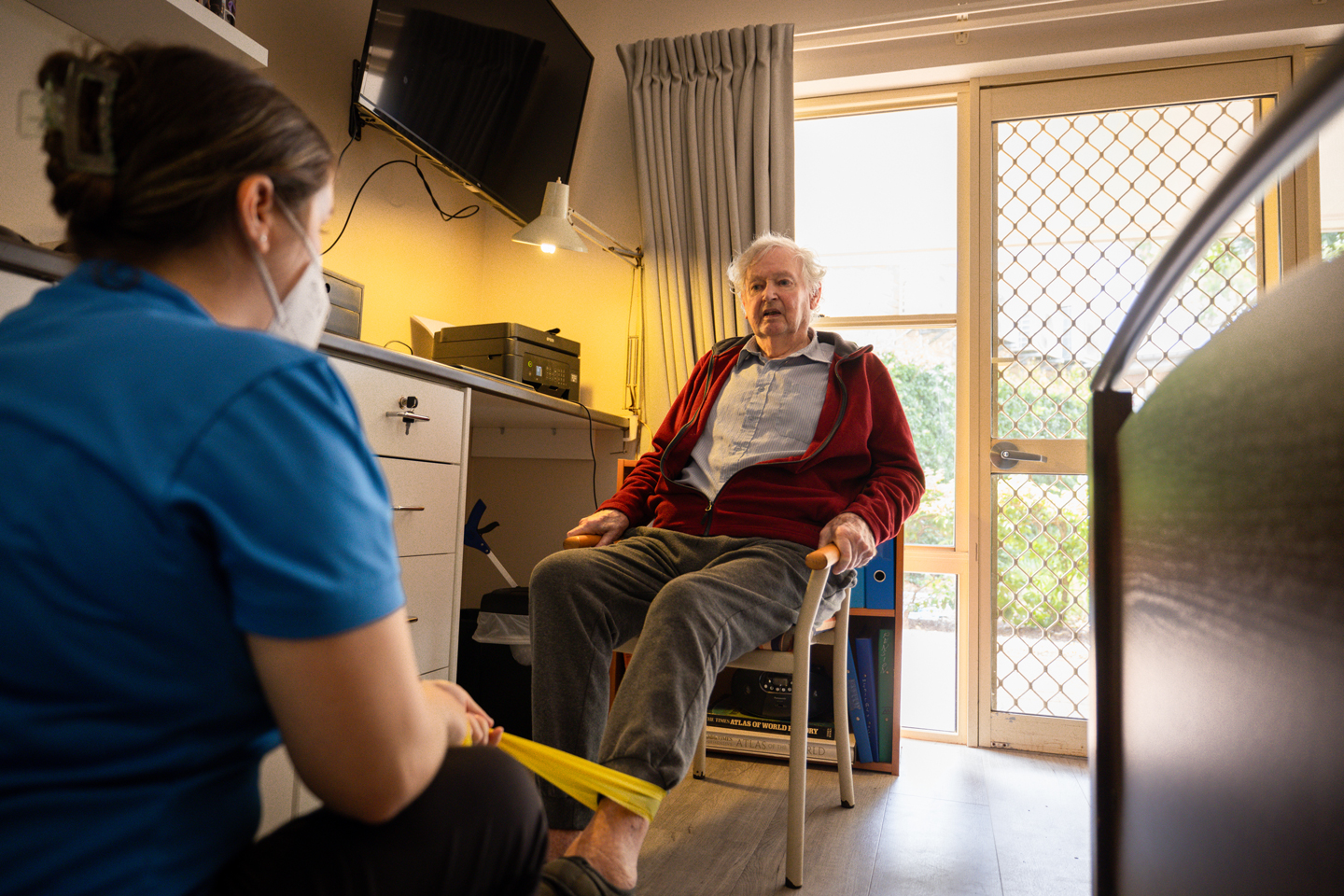
Receiving therapy in the home offers practical and clinical benefits. Our therapists observe the environment directly, identifying barriers that will not be apparent in a clinic setting.
Recommendations can then be customised to the person’s home layout, lifestyle, and available support.
Community-based therapy allows for flexible scheduling, removing the need for participant travel. It can also improve adherence to therapy, as interventions occur in the context where daily activities are performed.

Contact Community Therapy for Support at Home OT Services
If you have questions for us or would like to commence Occupational Therapy or other allied health services, please get in touch.
- Our phone line is available Monday to Friday, 9am to 5pm
- We are founded in Newcastle with office headquarters in Mayfield West and Erina
- We have a large, local Occupational Therapy team
To contact us, please visit our contact page and either call us or use the web form.
Support at Home Frequently Asked Questions
-
Do I need to leave my home to access therapy?
No.
All assessments, clinical services, and follow-ups are conducted in the participant’s home. This allows therapy to be context-specific and practical.
-
What types of support can an Occupational Therapist provide?
Supports include assistive technology, home modifications, education and therapy, mobility assessments, fall prevention strategies, and more.
Further reading here:
- Home modifications under Support at Home
- Assistive technology under Support at Home
- https://www.communitytherapy.com.au/support-at-home/restorative-care-pathway/
- https://www.communitytherapy.com.au/support-at-home/end-of-life-pathway/
-
Is there a cost for services?
Yes, however under the Support at Home program there are no participant contributions for clinical services.
The Government pays the full cost of Occupational Therapy services.
-
How often will the therapist visit?
Frequency is tailored to individual needs and goals, as determined during assessment and ongoing care planning.
This will be formalised during your initial assessment with us.
-
How does this program differ from traditional home care packages?
The Support at Home program replaced the home care package program on 1 November 2025.
-
What regions are served?
Our services are mobile across Newcastle, the Central Coast, the Hunter Valley, Port Stephens, and Mid Coast of NSW.
