Physiotherapist, Founder of Community Therapy
The Support at Home program, which commenced on 1 November 2025, merged the Home Care Package and Short-Term Restorative Care programs into a single initiative.
Alongside this, the Aged Care Quality Standards and the Aged Care Code of Conduct remain central to ensuring safe, high-quality care.
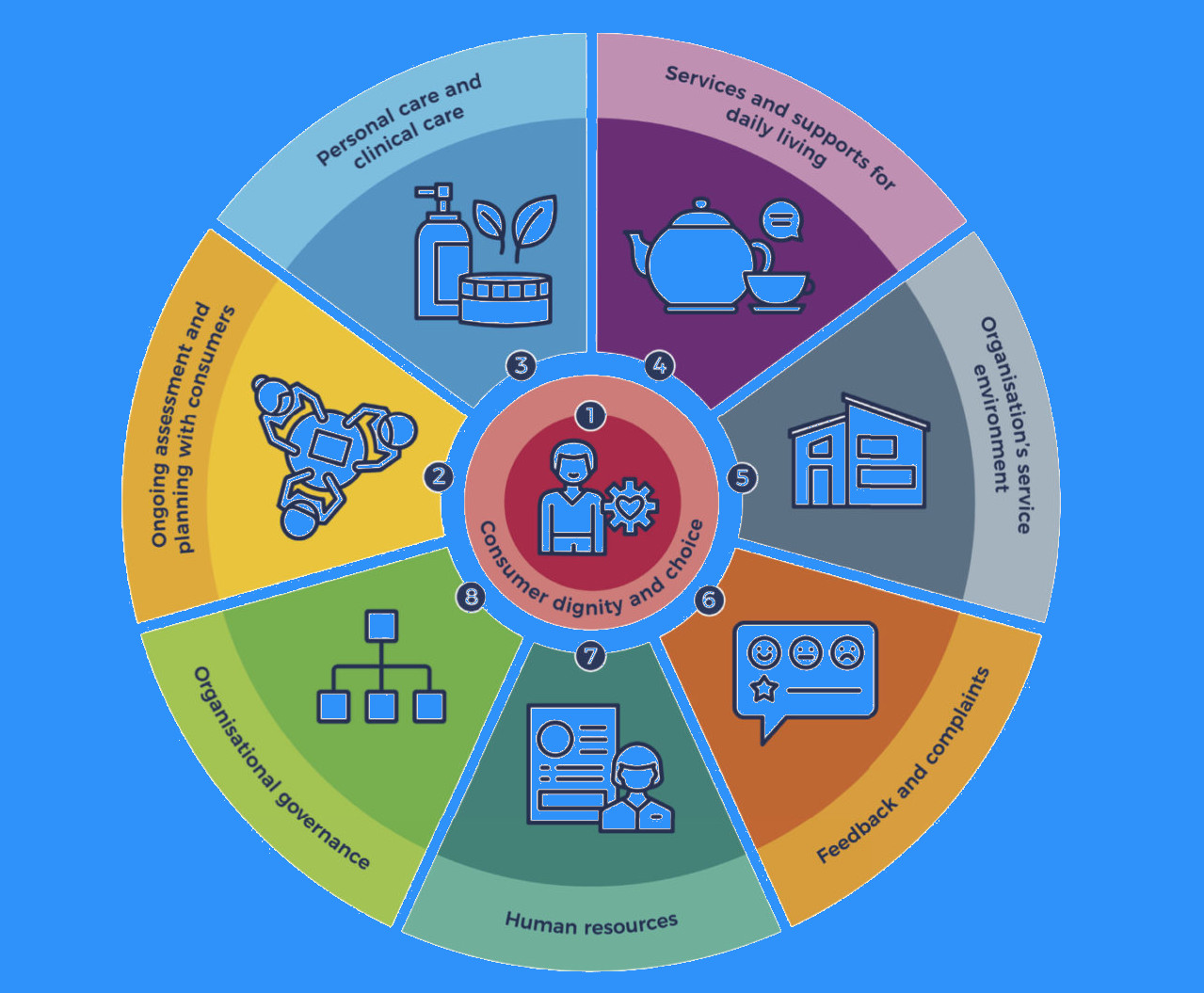
The Aged Care Quality Standards apply across all aged care programs, including Support at Home.
These standards act as benchmarks for quality care and services and cover areas such as consumer dignity and choice, personal care, clinical care, and feedback and complaints. They provide a structured framework for what quality care looks like and are used by the Aged Care Quality and Safety Commission to hold providers accountable.
How Quality Standards Differ from the Code of Conduct
While the Quality Standards outline detailed expectations across multiple domains, the Aged Care Code of Conduct is a simpler, overarching document. It sets out general behavior expectations for everyone involved in aged care—workers, responsible persons, volunteers, and associated providers.
Essentially, the Code is a guiding principle, while the Quality Standards provide the tools and measures for auditing and assessing the quality and safety of care.
Meeting Standards in Day-to-Day Operations
Registered providers demonstrate compliance with the standards through a combination of documented processes, resources, and practical examples.
For instance, Standard Six, which focuses on feedback and complaints, requires providers to have proper management systems in place. These systems must align with the Serious Incident Response Scheme and ensure that all staff understand their responsibilities. Participants and their supporters must also be informed on how to raise feedback or complaints, either with the provider or through the Aged Care Quality and Safety Commission.
Why It Matters
Understanding both the Code of Conduct and the Quality Standards is essential for Support at Home providers. Together, they guide everyday practice, ensure accountability, and ultimately safeguard the wellbeing of participants.
Recap
- Aged Care Quality Standards define detailed expectations across multiple domains, including dignity, clinical care, and feedback.
- The Aged Care Code of Conduct provides overarching behavior expectations for all aged care workers and providers.
- Providers demonstrate compliance via documented processes and practical examples, ensuring staff and participants understand their responsibilities.
- Both frameworks are essential for guiding everyday practice and safeguarding participant wellbeing.

 February 15, 2026