

Occupational Therapy Driving Assessments
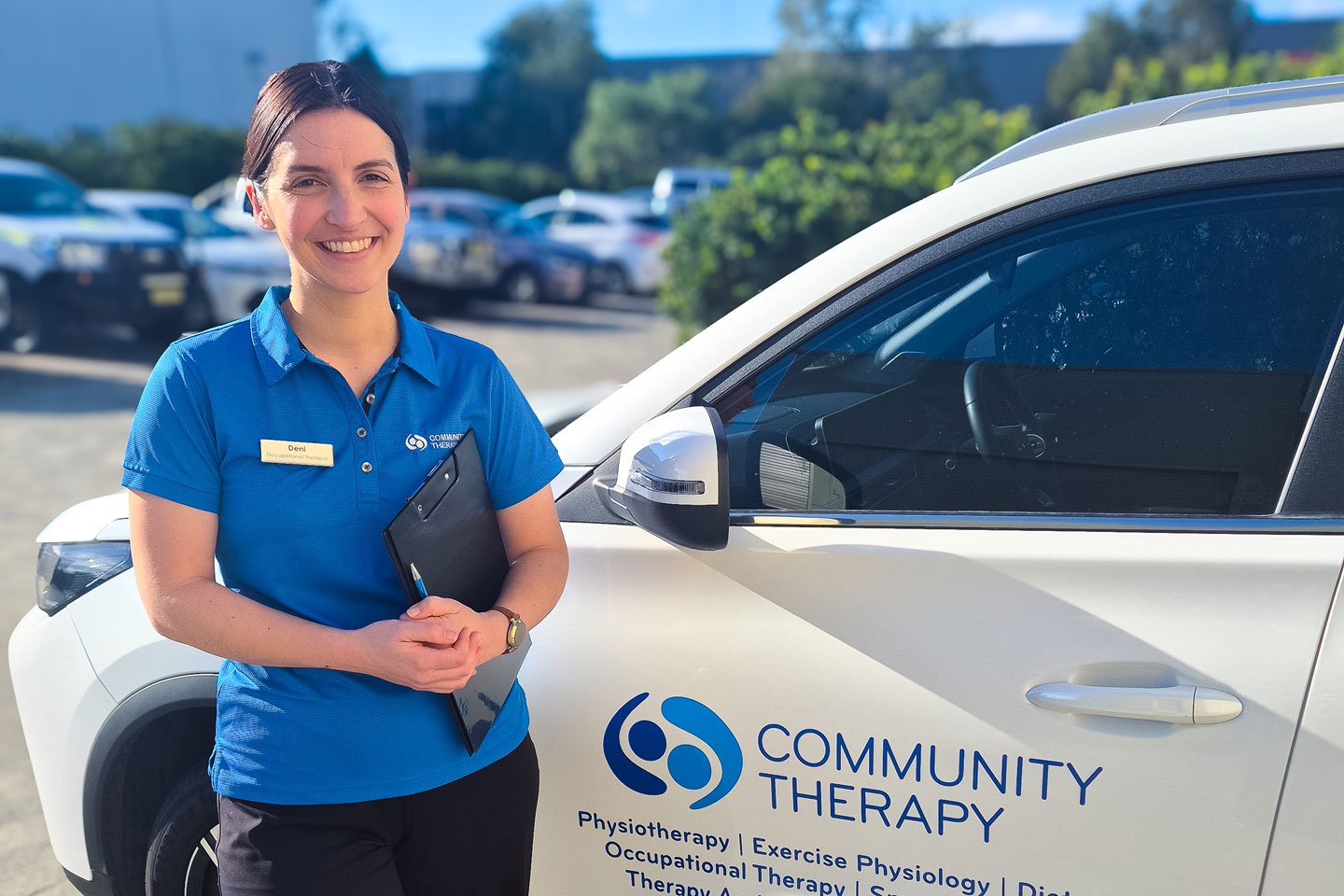
An occupational therapy (OT) driving assessment determines whether a medical condition, disability, injury or age-related change affects your ability to drive safely and legally. At Community Therapy, our driver-trained occupational therapist conducts assessments across Newcastle, Lake Macquarie, the Hunter Valley, Port Stephens and the Central Coast. The assessment has two parts — an off-road clinical assessment and an on-road driving assessment — and the results help Transport for NSW make a decision about your licence.
Enquire about a driving assessment
Availability is limited to a small number of assessments each week, so we recommend enquiring early.
What is an OT driving assessment?
An OT driving assessment is a specialised evaluation of your fitness to drive, carried out by an occupational therapist with additional training in driver assessment. It’s used when a health condition may affect the skills driving relies on such as vision, movement, reaction time, judgement, attention and decision-making.
You may need one if:
- Transport for NSW has written to you requesting an assessment.
- Your GP or specialist has identified a condition that may affect your driving.
- You’re returning to driving after a stroke, injury or surgery.
- You’re a learner driver with a disability or medical condition.
- You or your family have noticed changes in your driving.
In NSW, the licence holder is legally responsible for telling Transport for NSW about any medical condition that may affect their driving. A doctor can also notify them. Either way, the assessment is the recognised pathway for working out what happens next.
Conditions we commonly assess
A driving assessment may be recommended for a wide range of conditions, including:
- Stroke and acquired brain injury
- Parkinson’s disease, multiple sclerosis and other neurological conditions
- Dementia and age-related cognitive change
- Autism, ADHD and intellectual disability (often for learner drivers)
- Amputation, limb difference and reduced movement or strength
- Spinal cord injury
- Vision changes
- Recovery after a serious accident, injury or surgery
Epilepsy and seizure conditions have specific licensing rules which are handled case by case with your doctor and TfNSW.
How the assessment works
1. Off-road assessment (clinical)

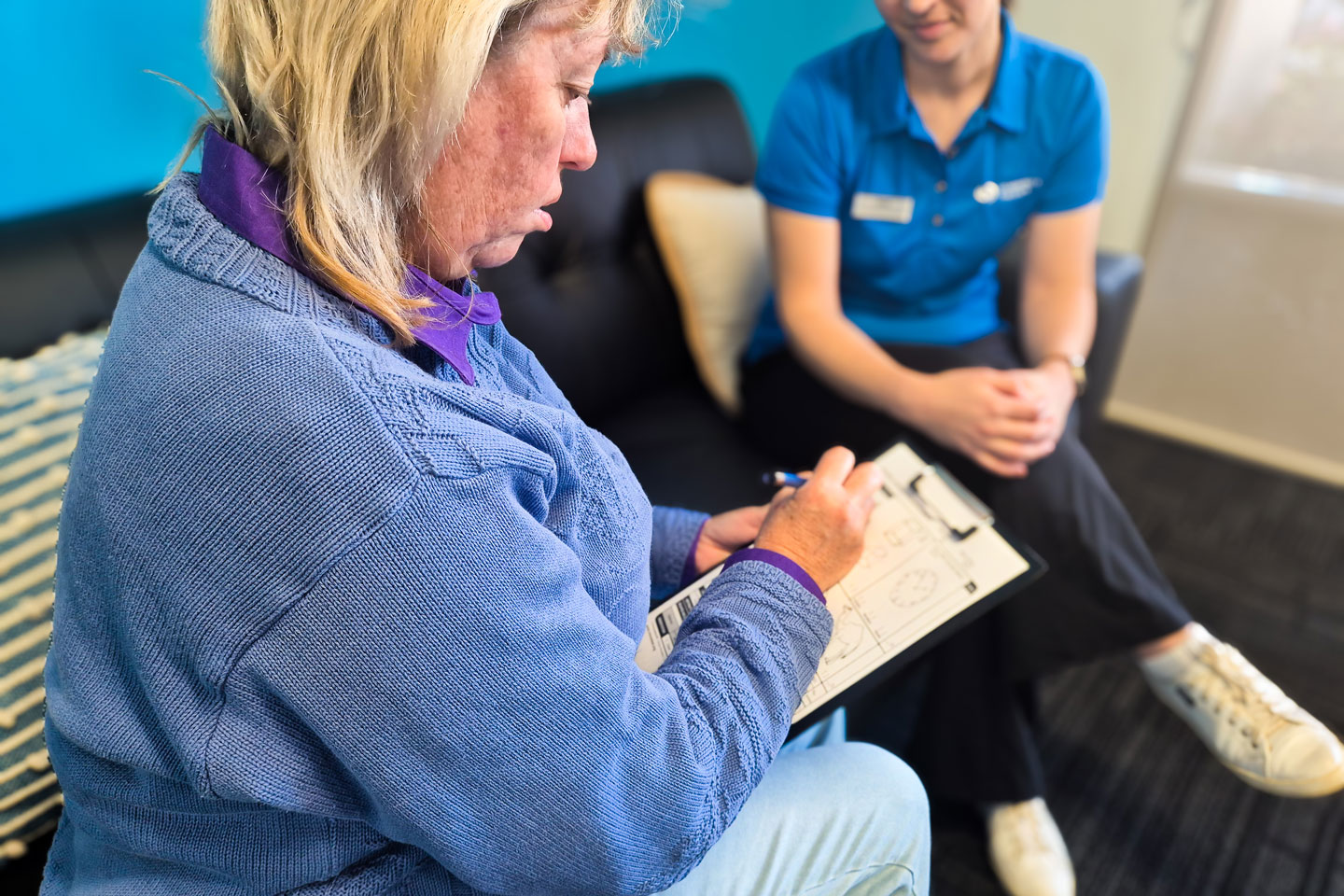
This takes place in a clinic or home setting and runs for around 1.5–2 hours. Your OT reviews your medical and driving history and assesses the underlying skills that driving depends on:
- Vision and visual processing
- Physical function
- Thinking skills
- Knowledge of current road rules
The off-road assessment tells us whether you’re ready to progress to the on-road stage, and whether any vehicle modifications might be needed.
2. On-road assessment (practical)

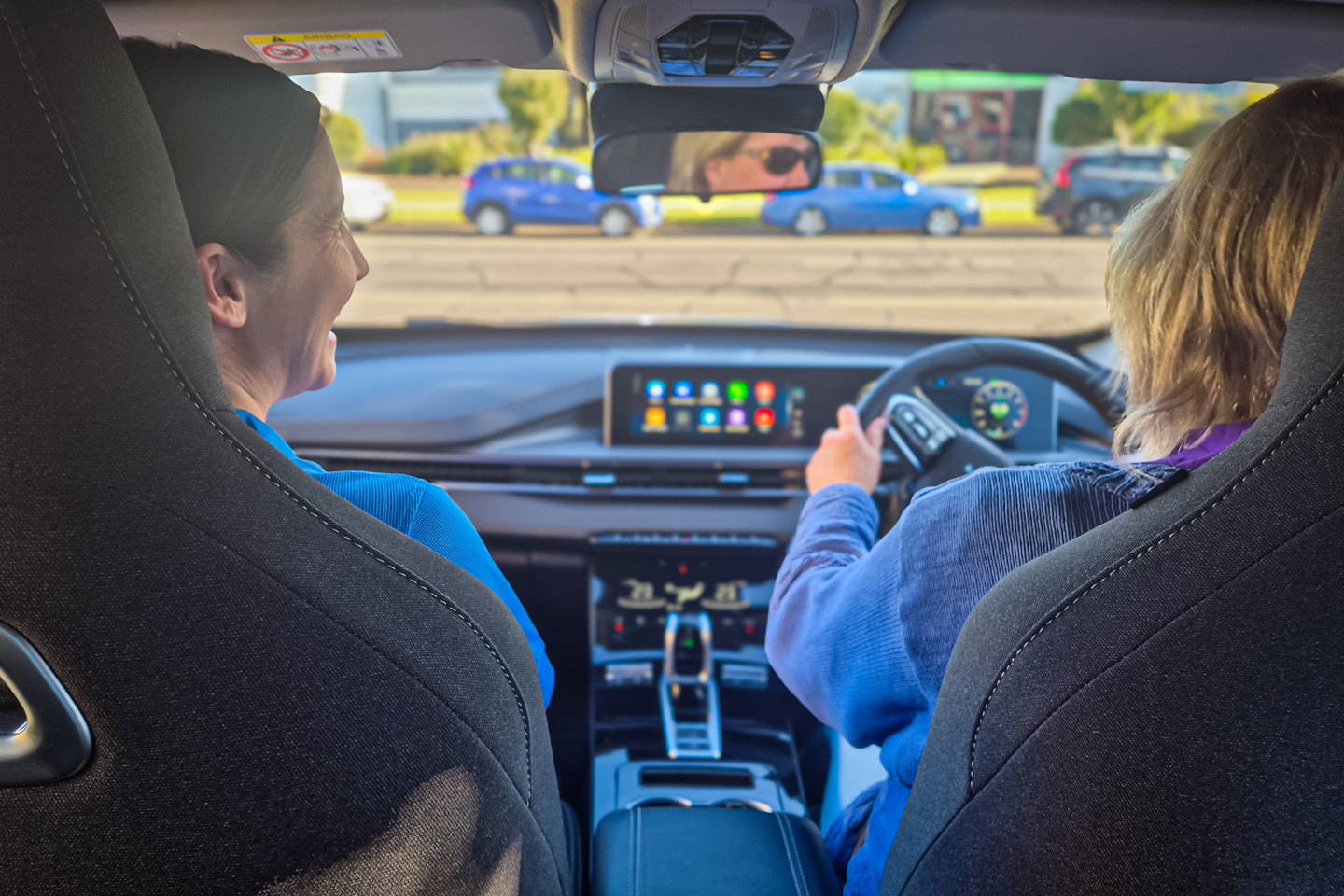
The on-road assessment is conducted in a dual-control vehicle with both your occupational therapist and a rehabilitation-trained driving instructor present, so it’s safe and supported throughout. It usually takes about 1 hour and assesses how you manage real traffic, intersections, manoeuvres and unexpected situations.
3. Your report and recommendations
After the first 2 stages, you will receive a written report. A copy is provided to Transport for NSW and, where appropriate, your referring doctor. Transport for NSW uses this report to make the final decision about your licence.
Possible outcomes include:
- Cleared to drive with no conditions.
- Cleared with conditions — for example, driving within a set area, daytime only, or in an automatic vehicle.
- Vehicle modifications recommended to support safe driving.
- A driver rehabilitation or lessons plan to rebuild skills and confidence before a re-assessment.
- A recommendation to stop driving, with support to plan alternative transport so you can stay independent and connected.
The goal is always to keep you driving safely for as long as it’s safe to do so.
A driving assessment can be funded several ways depending on your situation

NDIS
Support at Home (aged care)
Private (self-funded)
Private health insurance
DVA / icare / CTP / Workers Comp
Medicare Rebates
How to get started
- Speak to your GP or specialist if a medical condition may be affecting your driving — they can complete the relevant Transport for NSW form and refer you.
- Contact us to discuss your situation, funding and availability.
- Book your off-road assessment, then your on-road assessment.
Receive your report and recommendations.

FAQ
-
How long does an OT driving assessment take?
The off-road clinical assessment takes around 1.5–2 hours and the on-road driving assessment takes about one hour. They’re usually booked on the same day.
-
Do I need a referral for an OT driving assessment?
You don’t need a referral from us to enquire, but Transport for NSW often requires your doctor to complete a medical fitness-to-drive form. If TfNSW has written to you, follow the instructions in their letter and speak to your GP.
-
Will I lose my licence if I have an assessment?
The assessment is designed to keep you driving safely for as long as possible. Many people are cleared to continue, sometimes with conditions or vehicle modifications. Transport for NSW makes the final decision based on the report.
-
Does the NDIS pay for a driving assessment?
Yes — for eligible participants, driving assessments are usually funded under Capacity Building (Improved Daily Living). We’re a registered NDIS provider and can support self-managed, plan-managed and agency-managed participants.
-
Can the assessment be funded through aged care or Support at Home?
It may be. Occupational therapy, including driving assessments, can be funded through the Support at Home program depending on your classification and budget. Contact us and we’ll talk it through.
-
What happens on the on-road part of the assessment?
You drive a dual-control vehicle with an occupational therapist and a rehabilitation-trained driving instructor present. It’s safe and supported throughout, and assesses how you handle real traffic conditions.
-
What if I'm not safe to keep driving?
If driving is no longer safe, your occupational therapist will support you to plan alternative transport so you can stay independent and connected — including travel training, community transport options and recommendations for getting in and out of vehicles more easily.
-
Which areas do you cover?
We provide driving assessments across Newcastle, Lake Macquarie, the Hunter Valley, Port Stephens and the Central Coast.
-
How much does an OT driving assessment cost?
Fees depend on factors such as where you live and we’ll give you a clear quote before you book. Contact us for current pricing.
-
How soon can I book?
We have limited assessment availability each week, so we recommend enquiring early to secure a spot.
