

Eating Disorder and Disordered Eating Support
Food and nutrition can feel overwhelming. Community Therapy provides sensitive, evidence-based mobile Dietetics services across Newcastle, Lake Macquarie, Hunter Valley, and the Central Coast. Our credentialed dietitians support individuals and families through personalised nutritional care that fosters healing and confidence.
The ANZAED Eating Disorder Credential is awarded to dietitians providing treatment for people with eating disorders, as a formal recognition of qualifications, knowledge, training, and professional development activities needed to meet minimum standards for the delivery of safe and effective eating disorders treatment in Australia. Credentialed Eating Disorder Clinicians undertake annual professional development activities and are listed in the Find Eating Disorder Help Directory.
Our dietitians provide specialised support for people experiencing eating disorders, suspected eating disorders and disordered eating across the lifespan.
Important distinction: Our dietitians do not diagnose eating disorders. Diagnosis is made by an appropriately qualified medical or mental health professional. However, our dietitians can provide nutrition support for people with diagnosed or suspected eating disorders and disordered eating.
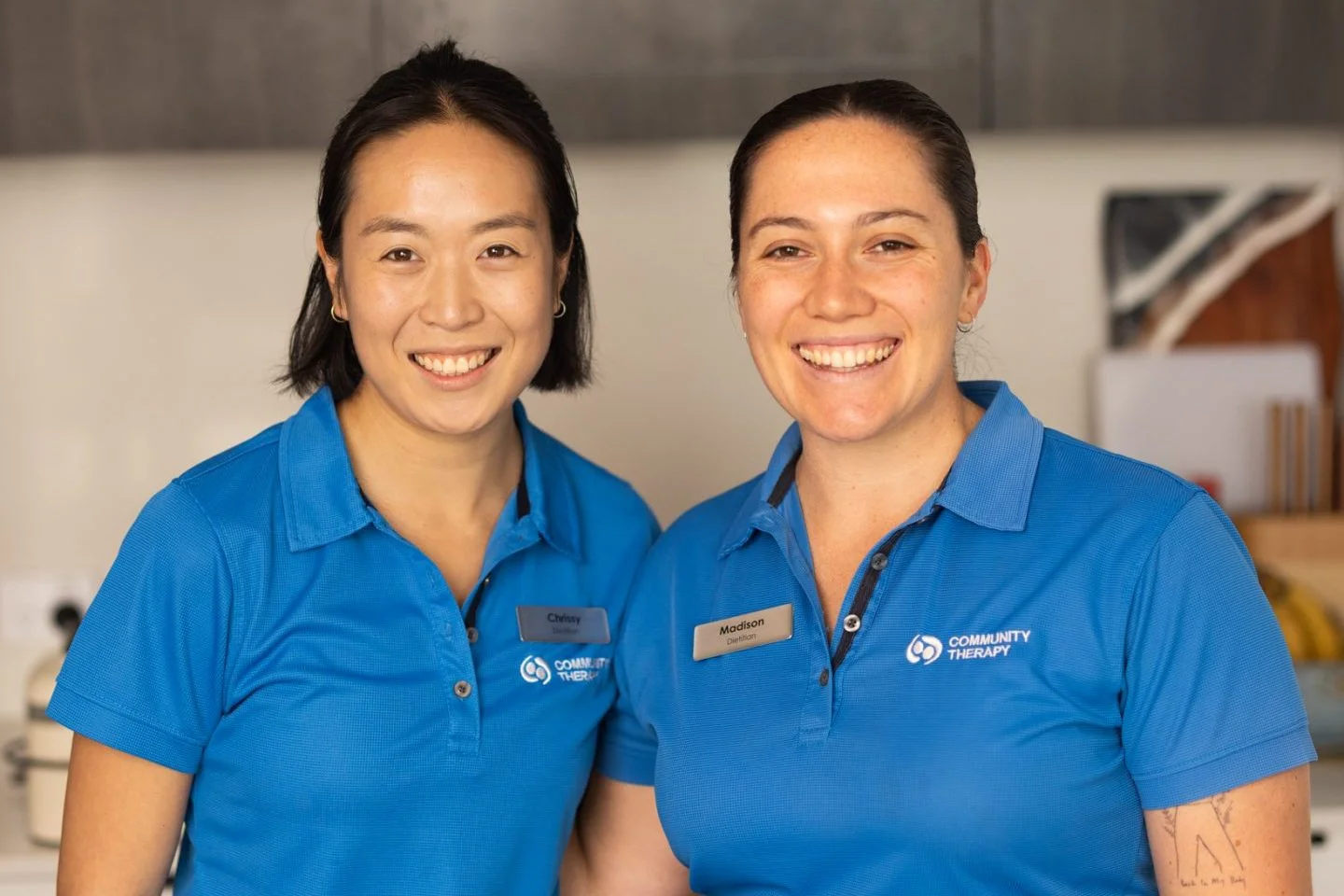
Multidisciplinary Collaboration
Effective eating disorder management requires a cohesive team. Our mobile Dietitians work closely alongside GPs, psychologists, psychiatrists, pediatricians, and other allied health professionals to ensure integrated care. We offer home visits across Newcastle, Lake Macquarie, Port Stephens, Hunter Valley, and the Central Coast.
If you need free and confidential support now, contact the Butterfly Foundation on 1800 33 4673 or visit butterfly.org.au. In an emergency, call 000.
Could we help? Get in touch with our Team for a confidential conversation.
Looking for help for a child? See Paediatric Dietetics.
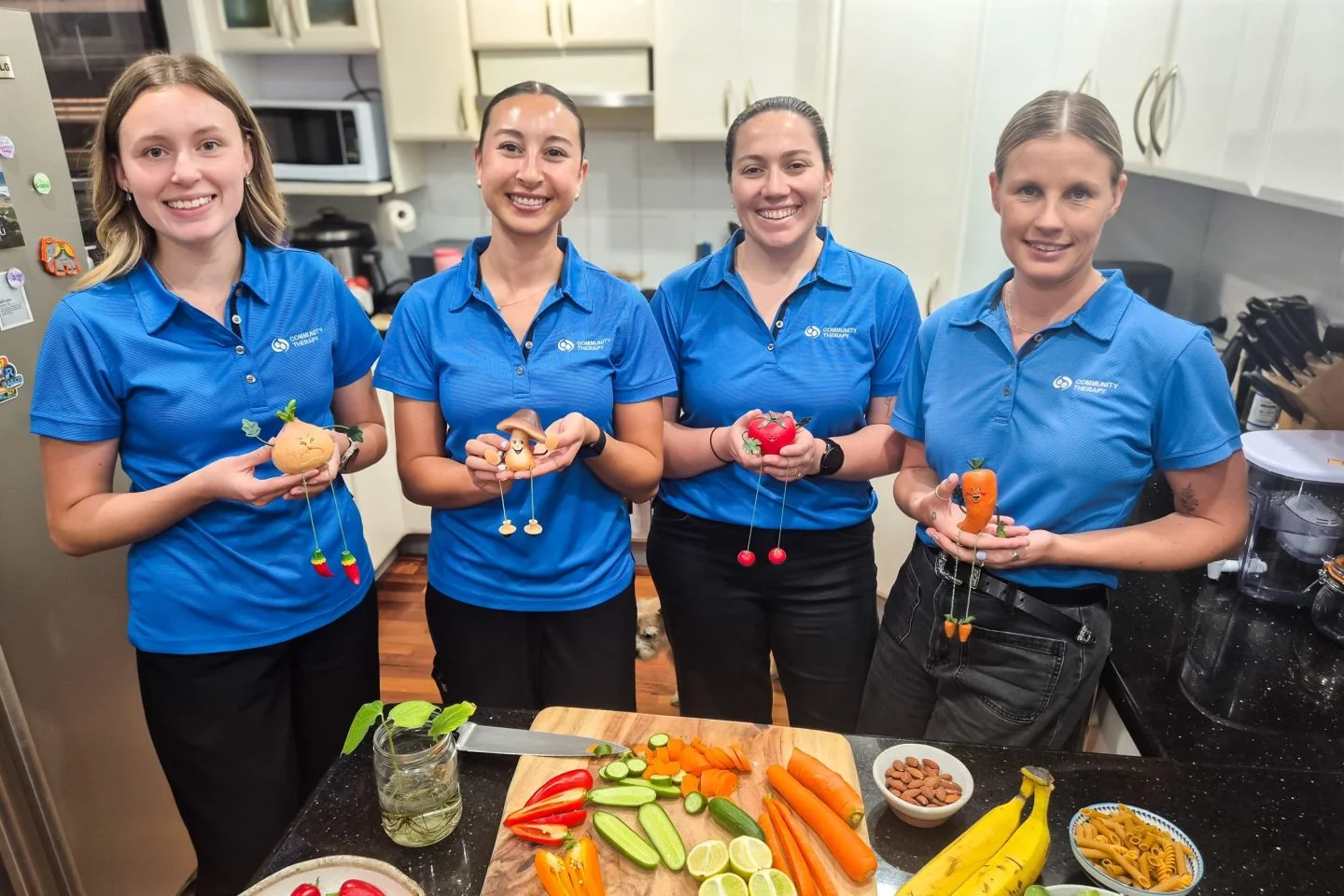
Eating Disorder Support for Adults
Eating disorders don’t only affect teenagers. They can begin, return or continue at any stage of adult life, and affect people of every gender, age, background and body size.
Our credentialed eating disorder dietitians offer compassionate, non-judgemental support.
If you suspect that you (or someone you care for) may be experiencing complications related to disorder eating, it’s recommended you seek help as soon as possible. You don’t need a formal diagnosis to reach out.

Eating disorders look different for everyone
Many adults don’t recognise what they’re experiencing as an eating disorder, or feel they aren’t “unwell enough” to ask for help.
We support adults experiencing:
- Binge eating disorder, one of the most common eating disorders
- Anorexia nervosa and atypical anorexia, in any body size
- Bulimia nervosa
- Avoidant/restrictive food intake disorder (ARFID), which can continue from childhood into adult life
- Other specified feeding or eating disorders (OSFED)
- Disordered eating, such as rigid food rules, chronic dieting, or feeling out of control around food
Eating disorders can also occur alongside autism, ADHD, intellectual disability, mental health conditions and chronic illnesses such as multiple sclerosis or diabetes. Our dietitians understand how these can overlap, and adapt support to each person’s communication, sensory and support needs.

How our dietitians can help
Our Dietitians are able to provide a complete clinical assessment which considers your life, goals and eating habits holistically.
We will take the time to understand your individual situation and work with you to set realistic and sustainable nutrition-related goals and achieve a positive health outcome.
This can include:
- Rebuilding regular, adequate and flexible eating
- Reducing fear, guilt and anxiety around food
- Prevent the complications of malnutrition such as osteoporosis, fatigue or poor sleep quality, IBS, headaches and muscle cramps.
- Working as part of the treating team with your GP, psychologist and psychiatrist
- Involving partners, family or support workers if you’d like them involved
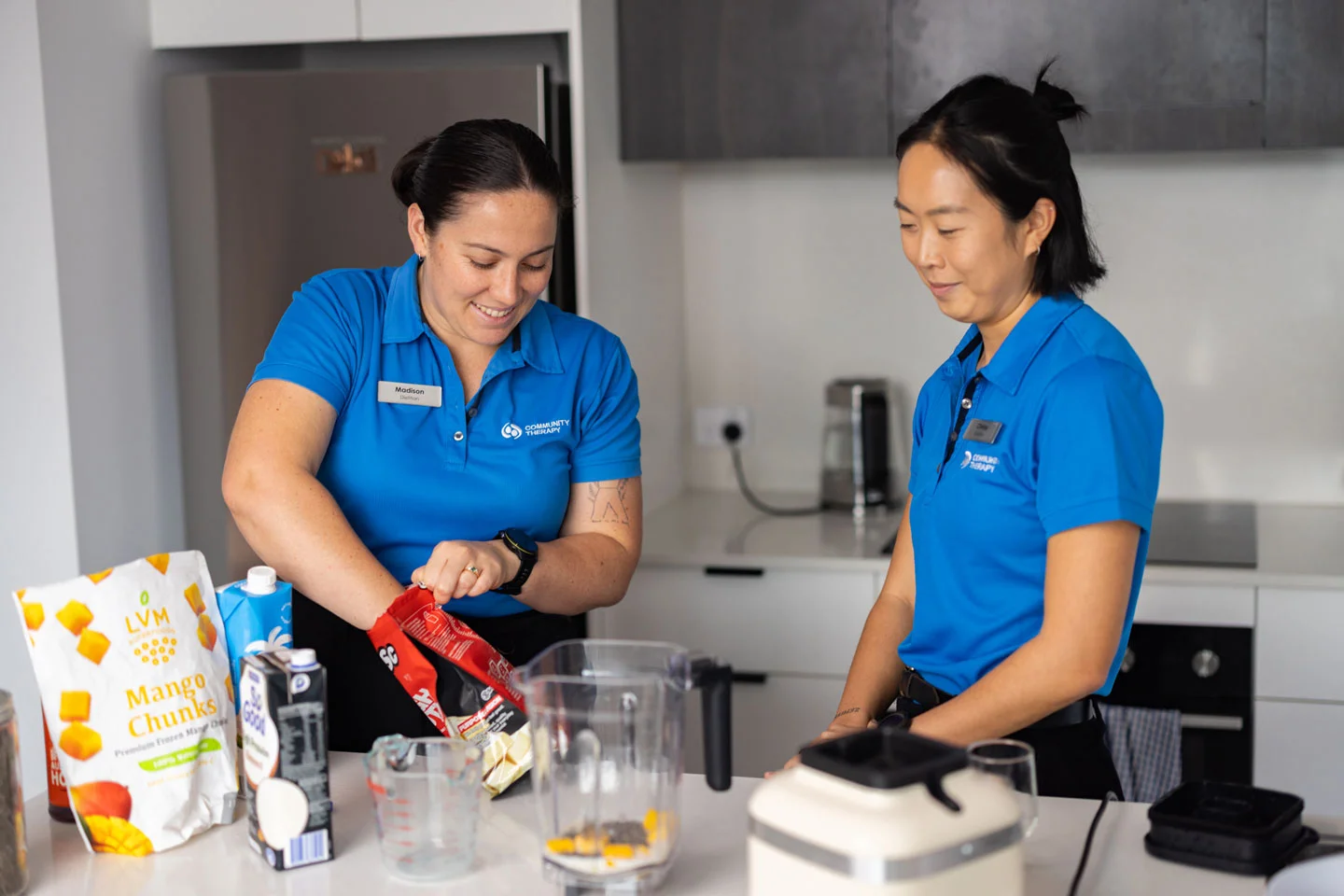
Dietetic Referrals for Disordered Eating
You can request a referral via your GP or self-refer online.
If you are an NDIS participant you can either self-refer or be referred by your service providers.
Aged-care clients may also be referred by their package provider. In some cases, our Dietitian may refer onward to a specialist team so that we ensure you get the best possible health outcome.
Please contact us or call us on 1300 031 935 if you would like the assistance of our wonderful Dietitians.

-
Can adults develop an eating disorder for the first time?
Yes. Eating disorders can start at any age, including in midlife and later life, often around life changes, illness or stress.
-
Do I need to be underweight to have an eating disorder?
No. Eating disorders affect people in all body sizes. Weight alone doesn’t tell us how unwell someone is or how much support they need.
-
Do I need a diagnosis to see a dietitian?
No. We can support suspected eating disorders and disordered eating. A diagnosis may be needed to access an Eating Disorder Plan.
-
Looking for support for a child or teenager?
See our Eating Disorder Support for Children and Teens page.
